
Citizenship through US Naturalization

US naturalization is the process by which a non-US national can become a US citizen. Once naturalized, you may bring family members to the USA, travel abroad under a US passport, and vote in US elections. [toc] Eligibility for US Naturalization The eligibility requirements for US naturalization vary according to your personal circumstances, but you […]
Renouncing US citizenship

An individual who renounces their US citizenship ceases to be a citizen of the United States of America. [toc] If successful, they will receive a Certificate of Loss of Nationality (CLN) and will no longer have the responsibilities of a US citizen and can identify solely as a citizen of their other country of citizenship. […]
Right to Work Documents: A Guide for Candidates

Anyone seeking to be lawfully employed in Britain, regardless of nationality, residency status, age or race, will need to evidence they are legally permitted to work in the UK. This means presenting valid and acceptable right to work documents to prospective employers before you can commence employment. [toc] Right to work checks UK employers are […]
What is the Tier 2 General Visa?

The Tier 2 General visa is the primary immigration route into the UK for skilled workers from outside the European Economic Area (EEA) and Switzerland. It enables skilled non-EEA migrant workers to undertake qualifying work from a licensed employer in a role that cannot be filled by a suitably qualified or skilled worker in the […]
How to Apply for a British Passport

Before you can be eligible to apply for a British passport, you first have to hold British citizenship. British citizenship is generally obtained through the process of ‘naturalisation’. You would need to apply to the Home Office to become a British citizen, providing evidence that you meet the eligiblity criteria. It is important to note […]
Permanent Residence

Permanent residence is when non-British citizens are granted the right to live, work and study in the UK while still holding a foreign citizenship and passport. Permanent residence holders are able to leave and enter the UK without restriction. [toc] Provided you meet the qualifying conditions to acquire permanent residence, you can apply to the […]
Asylum Visas
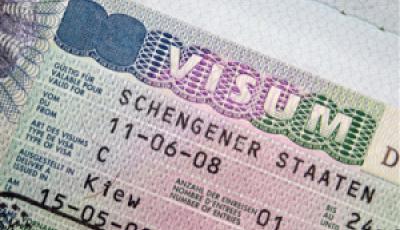
In very few cases asylum applicants can enter the asylum country legally without a visa. In most cases, however, a visa is required. [toc] For a refugee, there are three basic ways of reaching the targeted country of asylum when he needs a visa in this country: (1) obtaining a valid visa; (2) using the […]
Dublin Alternatives

While all Dublin member states assess whether a foreigner is a refugee, many also recognise humanitarian protection based on national or international legal norms. Humanitarian protection can be based on a legal obligation or discretion, meaning humanitarian protection practice is different from one country to the other as the asylum practice is. More or less […]
Dublin ii

The objective of the Dublin ii Regulation is to identify as quickly as possible the Member State responsible for examining an asylum application, and to prevent abuse of asylum procedures. The Act Council Regulation (EC) No 343/2003 of 18 February 2003 establishing the criteria and mechanisms for determining the Member State responsible for examining an asylum application […]
Sexual Minorities: Their Treatment Across the World

The following list below is a series of links of the situation and treatment of sexual minorities by societies and authorities in a number of different countries. The status of sexual minorities in Bahamas: https://www.refworld.org/docid/52eb9b3c4.html The status of sexual minorities in Barbados: https://www.refworld.org/docid/50b47ee52.html The status of sexual minorities in Bosnia and Herzegovina: https://www.refworld.org/docid/5a61ee97a.html The status […]